
Blueprints, Beats & Business: Baby Paul BpZy Reflects on Legacy, Longevity, and Life Beyond the Boards (Interview)
By: Todd “DG” Davis
Rapindustry.com
___
Baby Paul aka BpZy has always been one of those names that hip-hop heads know—even if the casual listener doesn’t realize how often they’ve heard his work. Some producers chase the spotlight. Others shape the soundtrack from behind the boards, leaving fingerprints on records that outlive trends. Brooklyn raised him, but his music helped define an era that stretched far beyond the borough.
From the rugged soul of Da Beatminerz to Grammy recognition alongside Nas and AZ, Paul Anthony Hendricks has quietly built a résumé rooted in longevity, not luck. Whether crafting records for Smif-N-Wessun, Fat Joe, and Nas, or helping elevate artists whose names deserve a second look, his approach has always favored substance over spectacle. His beats don’t simply knock—they tell stories.
Today, that same creative DNA lives through his evolution as BpZy. Producer. DJ. Executive. Media creator. Label owner. Rather than chasing yesterday, he’s investing in tomorrow—developing artists, producing content, expanding independent platforms, and proving that reinvention doesn’t require abandoning your roots.
Our conversation isn’t just about classic records or career milestones. It’s about what it takes to stay creative, stay relevant, and stay standing in an industry that’s constantly rewriting its own rules. For Baby Paul, the credits speak for themselves. The story behind them is even better.
Paul, you’ve gone from the basement-era days of Brooklyn hip-hop to streaming television networks and digital distribution. When you look back, what part of the journey makes you smile the most?
Baby Paul: Actually, the journey is still continuing. I’m most proud of my resilience and consistency in creating art while maintaining relevance in this business.
Before the plaques, Grammy nominations, and business ventures, what was young Baby Paul chasing when he first fell in love with music?
Baby Paul: My first interest in music was DJing. At age 16, as a huge Run-D.M.C. fan, I was inspired by the legendary Jam Master Jay and wanted to be the DJ for a rap star if I ever got the opportunity. Fast forward a few decades later, and I’m living my dream.
Joining Da Beatminerz during one of the most important periods in East Coast hip-hop put you in the middle of history. What did that era teach you that still applies today?
Baby Paul: I learned that business and personal friendships often don’t mix. I also learned to separate creativity from smart business. I educated myself on marketing and distributing music after the creative process was complete, while building a strong network in strategic places to execute my agenda in music and media. The right relationships open doors—talent alone is not enough.
Dah Shinin’ by Smif-N-Wessun remains one of the most respected albums in hip-hop. Did you realize at the time those records would become sacred to so many fans and producers?
Baby Paul: Yes, I knew we had created an impactful piece of art that would resonate within the culture. It’s still celebrated every year, which humbles me. This year also marks the 30th anniversary of Heltah Skeltah’s Nocturnal, my coming-out moment as a producer, having produced five songs on that album for Duck Down Records.
You’ve worked with everyone from Nas and AZ to Big Pun, Fat Joe, and Slum Village. What separates artists who leave a permanent mark from those who simply have a moment?
Baby Paul: Consistency in the creative process and integrity in the music. The artists with staying power respect the architects while carrying the tradition forward. They know how to balance their creative vision with navigating a complicated industry, while continuing to release music, perform, and build their brand.
“Destroy & Rebuild” on Stillmatic is part of one of hip-hop’s most talked-about eras. What do you remember about creating during a time when every record felt like it carried weight?
Baby Paul: The opportunity to work with Nas during such a pivotal time in his career, while he was battling Jay-Z, mirrored my own situation. I had just left Da Beatminerz after releasing Brace 4 Impak on Rawkus Records, which was a challenging period because of creative differences and internal business disputes.
Your relationship with AZ spans decades. What has made that creative partnership endure when so many industry relationships come and go?
Baby Paul: AZ and I developed a real camaraderie after my work with Nas on Stillmatic. We went on to create “The Essence” for the Aziatic album, which also featured Nas and earned us a Grammy nomination in 2002.
The Grammy nomination for Aziatic was a major milestone. Did it feel like validation, motivation, or just another chapter in a much bigger story?
Baby Paul: I credit my music industry mentor, Damien “Deo” Blyden, former manager of both Heavy D and AZ, for giving me that opportunity. And yes, it absolutely validated the work I had put in up to that point in my career.
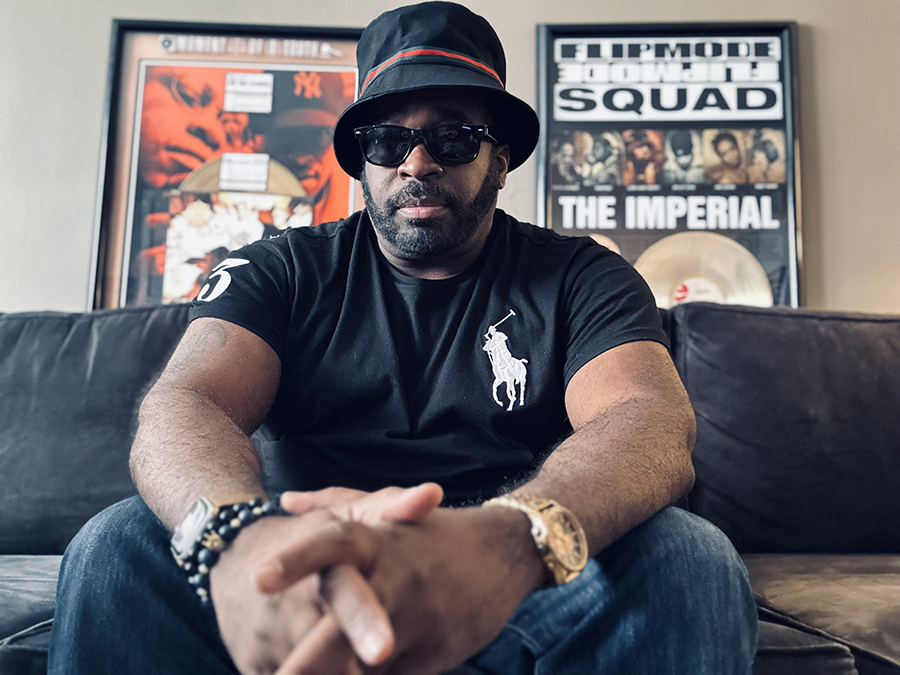
You’ve worn a lot of hats—producer, DJ, executive, entrepreneur, and media owner. Which role has taught you the most about yourself?
Baby Paul: I think each of those roles has contributed to my growth and shaped me in different ways. I’ve maintained my passion for creating music while becoming an astute businessman behind the scenes. I honestly feel I’ve found my niche by balancing both worlds, accomplishing great things, and doing it quietly.
The single “Glitchy” introduces Salih Bey to a wider audience while featuring Cory Gunz and your own contribution to the hook. What excited you most about helping bring that record to life?
Baby Paul: I made this song during a time when the industry was pulling me in different directions. Salih Bey gave me the creative direction to produce the record, and I wrote the hook from a relatable place, sharing a perspective that was both personal and business. Every lyric came straight from the heart and was delivered with full intention.

“Glitchy” feels like more than a song—it feels like a phrase, a personality, and a cultural conversation starter. When did you realize it had that kind of potential?
Baby Paul: Salih and I recognized that potential from the very beginning. Our creative conversations are always intentional when we make music together. The reaction since the song’s release has been immediate and overwhelmingly positive.
Between D.O.E., H-TV, Untouchables DJs, producing records, and developing new talent, what excites you most about this current chapter of your career?
Baby Paul: For clarification, XMG was dissolved in 2025, and I’ve relaunched my label imprint, D.O.E. [Divine Order Entertainment], with a new vision in partnership with Sony Orchard Distribution. With H-TV, I’m expanding my experience as a content producer, beginning with co-producing the HittMobb Podcast series. As for Untouchables DJs, I enjoy playing curated industry events and contributing mix-show sets on radio. Be sure to check out Untouchables Radio every Friday at 8 p.m. on 105.1 FM The Beat.
When people tell the story of Baby Paul fifty years from now, what do you hope they say about your contribution—not just to hip-hop records, but to hip-hop culture itself?
Baby Paul: I hope I’m remembered as a producer who evolved with the times while consistently delivering quality work that transcended genres—from hip-hop to R&B to alternative music. More than anything, I hope I leave behind a legacy that continues to be celebrated and appreciated for generations to come – BpZymusic.com


