

J. Stone: Loyalty Built It, Loss Tested It, the Marathon Continues (Interview)
By: Todd “DG” Davis
Rapindustry.com
___
In South Central Los Angeles, loyalty isn’t something you put in a caption. It’s measured by who was there before the lights came on—and who remains when they go out.
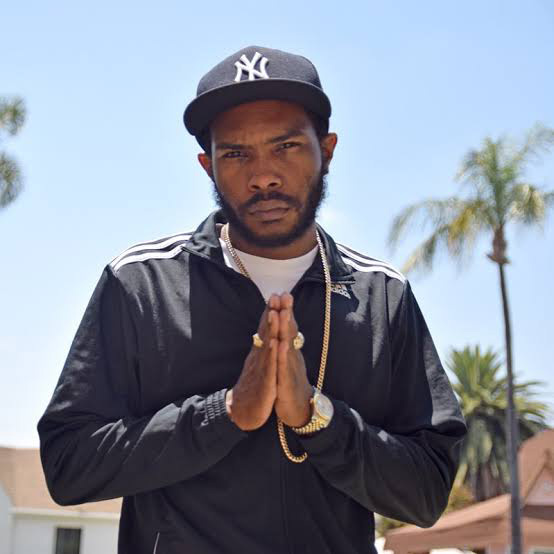
J. Stone knows both sides of that equation.
Raised in Crenshaw, Stone started rhyming at eight, long before anybody knew where the journey would lead. As teenagers, he and Nipsey Hussle weren’t yet neighborhood heroes or representatives of a movement—they were two young artists figuring it out, learning Pro Tools, recording music and building a brotherhood that would eventually become part of the foundation of All Money In.
The world would come to know Nipsey. Alongside him, J. Stone kept putting bricks down.
From The Coldest Story Ever to his Definition series—Loyalty, Pain, Sacrifice and Success—Stone’s catalog reads almost like chapters from the life he’s actually lived. Nothing about those titles feels accidental when you understand the road behind them.
Then came March 31, 2019.
Losing Nipsey meant losing far more than a collaborator. Stone lost a brother, friend and somebody who had been there when the dream was still just a dream. His response, “The Marathon Continues,” became both tribute and promise: the mission was bigger than one man, and the work couldn’t stop.
But carrying the marathon forward never meant standing still.
J. Stone has continued building his own lane, turning grief into fuel and setbacks into another reason to push. Now, with records like “Up the River,” “Mr. Do It Up” and Minor Setbacc Major Comebacc, the message feels right on time. Because J. Stone’s story has never been about avoiding the fall.
It’s about what you do after you hit the ground.
Crenshaw raised him. Loyalty shaped him. Loss tested him. The marathon continues—but so does J. Stone.
___
Q. Long before Minor Setbacc Major Comebacc, there was the Marathon movement, Slauson Avenue, and a generation of artists determined to tell their own stories. Looking back, what part of your foundation has stayed with you through every chapter of your life—even behind prison walls?
Looking back at all of it, it was ownership! Never quitting! Once you stop, everything else around you stops. You keep going; each day, you’re one step closer. That was the foundation that stuck with me, even to this day.
Q. “Up The River” doesn’t sound like a sympathy record—it sounds like accountability, reflection, and determination. At what point did you stop focusing on what you’d lost and start focusing on what you still had left to build?
I had to sit with the pain. I lost inspiration. Once I realized I had another chance, another shot at life, the music, my family, and with my fans still supporting me, it gave me the drive I needed to start the creative process again—to write and record music.
Q. This album was created under circumstances most artists will never experience. How did having limited resources force you to become a better songwriter, producer, or communicator instead of becoming an excuse not to create?
With limited resources under my current situation, I have TIME. Time to think, reflect, and learn new things to put in my music. The difference between me and them is it’s 25/8, No Breaks. I’ll always find a way out of no way.
Q. You’ve always represented loyalty, whether to your neighborhood, your team, or your principles. How has your definition of loyalty evolved now that you’ve had time to separate who’s present for the celebration from who’s present for the struggle?
My loyalty still lives for those who’ve continued to show up for me, the ones who never let me down. Those are the ones I feel like I owe it to the most. I’m trusted by many real ones. I can’t let them down, so my loyalty can only grow because it’s something I treat like a responsibility.
Q. Nipsey Hussle often spoke about ownership, discipline, and playing the long game. As you’ve navigated your own setbacks, what’s a lesson from Nip that means something completely different to you today than it did when he first said it?
Never Let A Hard Time Humble Us. In the beginning, to me, that word HUMBLE meant being modest or meek. Today, I feel being humble can also mean FEAR. I took losses to where I felt like I had to humble myself. Or I felt I was too humble to say what I really wanna say and take action when the pressure is on.
Q. The title Minor Setbacc Major Comebacc suggests you never viewed this chapter as the end of your story. During your hardest days, what kept you mentally committed to believing there was still another chapter to write?
My faith in God. Even though I’m in this situation, I never lost my faith. And it was also the support from family and fans. My struggle made me hungry all over again. I have a second chance. I’m alive. With that said, it’s no excuses for quitting, no matter the circumstances.
Q. Hip-hop has always celebrated perseverance, but very few artists have had to continue their careers while physically separated from the culture. What have you learned about yourself as an artist when all you had left was your creativity?
I’ve learned that I’m really a good person despite my past mistakes. I’m loved by many based on how I treated others. I have good intentions. Another thing I learned about myself is that I’m built to last under these type circumstances… meaning I’m designed to come out on top through the worst days.
Q. Throughout West Coast history, some of the most powerful records have come from adversity—not because struggle is glamorous, but because honesty resonates. What truth about J. Stone do you think listeners will finally hear on this album that they’ve never heard before?
West Coast history has shaped the sound of music today. On this album, my fans are gonna find that I’m great at storytelling and, most importantly, RESILIENT!
Q. Time has a way of changing perspective. If you could sit down today with the version of J. Stone who was just beginning his career, what’s one conversation the younger you probably wouldn’t want to hear—but would ultimately need?

It would simply be to focus up. Because years before, I wasn’t as focused as I am today. I was only making the music I felt was right for me and not thinking about the consumer. I would’ve definitely been making more music to their liking.
Q. Your story has always been bigger than music. It’s about community, mistakes, redemption, resilience, and purpose. What responsibility comes with knowing people may see this album not just as a comeback, but as proof that setbacks don’t have to become permanent?
I hope this album will be inspiration for someone who ever thought about giving up. Promising that this temporary hurdle will just lead to a bigger, stronger Comebacc and to keep pushing forward through life’s obstacles.
Q. The Marathon has always been about legacy over moments. Years from now, when people look beyond headlines and court documents, what do you hope they say Minor Setbacc Major Comebacc added to your legacy as both an artist and a man?
I would say it definitely has added growth, the hunger all over again. This is a difficult chapter of my career. I was able to capture these moments with music to motivate.
Q. If “Up The River” documents one of your darkest chapters, what do you hope the final song on Minor Setbacc Major Comebacc leaves listeners believing—not just about J. Stone, but about redemption, resilience, and the power of refusing to let your circumstances write your ending?
The fans are gonna know the real me. Every single day I wake up, I carry a heavy weight, but I carry it with pride. No matter what minor Setbacc you’re dealing with right now, just prepare yourself for the major Comebacc.


