
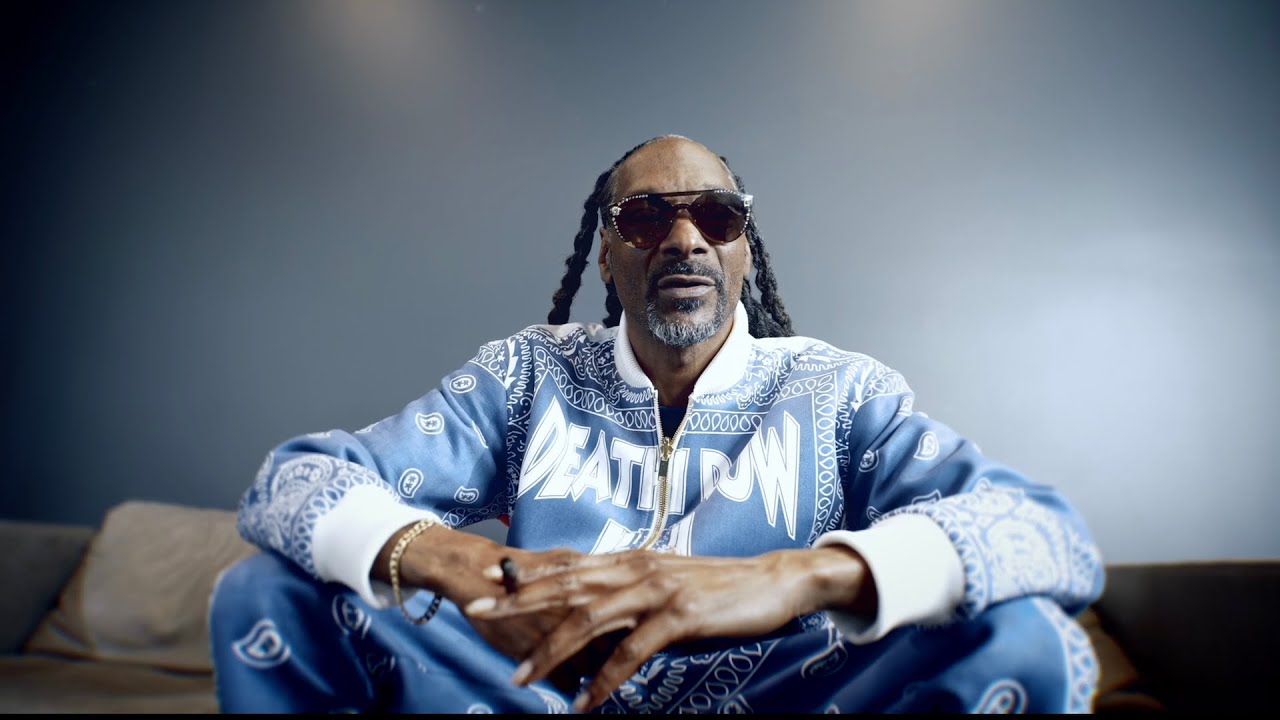
Snoop Dogg & Tori Kelly Drop SEGA ‘Stranger Than Heaven’ Theme Song.
The Doggfather just unlocked a new character — literally. Here’s what his latest move into gaming means for hip-hop’s expanding brand economy.
Snoop Dogg doesn’t need another lane. He’s already got music, television, film, food, cannabis, and a biopic on the way. But if you think the Long Beach legend is done expanding his portfolio, Stranger Than Heaven just proved you wrong.
SEGA dropped a trailer on May 7 for its upcoming video game Stranger Than Heaven, and Uncle Snoop is front and center — as both a voiced character and a contributor to the game’s theme song. This isn’t a cameo. This is a full embedding into one of gaming’s most ambitious new action-adventure projects, and it comes bundled with a surprising creative collaborator: Grammy-nominated singer Tori Kelly.
What Is Stranger Than Heaven?
Let’s set the table for anyone not plugged into gaming culture, because this isn’t a franchise title or a sequel. This is a new IP, and the scope is serious.
The game bills itself as a “50-year, action-adventure saga of men with nowhere to go and their desperate struggle to find a home,” built around the use of extreme violence to survive and musical talent to thrive as a showman across five cities and eras of modern Japan.
The detailed story mode spans 1915 through 1965, moving through Japanese cities including Osaka, Tokyo, and Hiroshima, while protagonist Makoto Daito — played by Yu Shirota — does whatever it takes to survive and thrive.
This is period-piece, narrative-heavy gaming at its most ambitious. And SEGA chose to anchor its Western marketing campaign around one of the most recognizable voices in hip-hop history.
Snoop’s Role: “That’s the Japan You Been Dreaming About”
Snoop Dogg voices a character named Orpheus — a figure who is, of course, smoking something and working aboard a ship that ferries the game’s main characters, Yu Shinjo and Makoto Daito, to Japan, where they seek a new lease on life and chase their dreams.
That casting is almost poetic. Orpheus — named after the Greek mythological musician who could move the dead with his music — voiced by the man who’s spent 30-plus years moving crowds worldwide. Whether the mythology reference is intentional or a happy accident, it lands.
The trailer, which dropped alongside the theme song reveal, features Snoop delivering the line: “That right there, that’s the Japan you been dreaming about.”
Classic Snoop. Economical. Magnetic. Instantly quotable.
The Theme Song: A Global All-Star Lineup
This is where it gets creatively interesting for the industry. The theme song pairs Snoop Dogg with Tori Kelly and Japanese artists Satoshi Fujihara and Ado — a four-way collaboration that deliberately bridges Western hip-hop and R&B with Japanese pop culture.
Tori Kelly, who recently announced her upcoming album God Must Really Love Me, voices a character in the game named Suzy Day. Her gospel-influenced vocal range alongside Snoop’s drawl is an unlikely combination on paper — but that’s precisely the kind of creative tension that generates cultural moments.
From a music industry standpoint, the strategic thinking behind this lineup is sharp. SEGA is targeting both Western gaming audiences and Japan’s massive domestic gaming market simultaneously, using artists with distinct fanbases across both regions. For label A&Rs and brand strategists, this is a masterclass in cross-cultural IP alignment.
Snoop’s son Cordell Broadus also has a character in the game, quietly extending the Broadus family’s footprint into yet another entertainment vertical.
Snoop’s Gaming History: A Pattern, Not a Pivot
Some outlets will frame this as a novelty, but anyone who has tracked Snoop’s career knows gaming has always been part of his cultural vocabulary. He was tied to the 2004 game Fear & Respect, though that project was ultimately canceled before it reached production, and he was a playable character in Def Jam: Fight for NY.
Def Jam: Fight for NY — for those who weren’t in high school in 2004 — was arguably the most culturally significant hip-hop video game ever produced. It didn’t just feature rap artists; it made them protagonists in a world built around hip-hop’s street-level power dynamics. The game is still referenced with reverence in gaming circles more than two decades later.

Snoop’s history with gaming isn’t a side hustle. It’s a consistent thread in a career built on ubiquity. The man understands that cultural presence isn’t just about music — it’s about occupying every space where your audience lives.
The Bigger Picture for Hip-Hop & Gaming
The music-gaming crossover has been accelerating for years — from Travis Scott’s Fortnite concert event to various artist integrations in NBA 2K and Madden. But there’s a meaningful difference between an in-game concert and becoming a voiced character with narrative weight inside a story mode. The latter is a deeper, more durable form of brand integration.
Stranger Than Heaven won’t arrive until winter 2026, coming to various gaming systems. But the trailer already signals that SEGA is investing heavily in its cultural credibility — and Snoop’s involvement is the loudest part of that signal.
For managers and label executives reading this: pay attention to how this partnership is structured. The theme song means publishing. The voice acting means entertainment contracts. The likeness integration means a separate licensing negotiation entirely. This is what multi-layered entertainment monetization looks like in 2026, and Snoop has been running this blueprint longer than most.
The Doggfather doesn’t just work in the music industry. He is an industry.


