
By: Todd “DG” Davis
Rapindustry.com
___
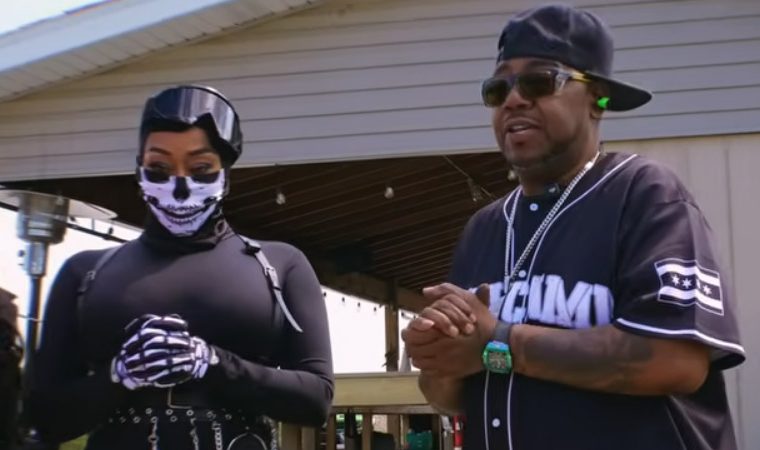
Chicago has always respected people who really put time into their craft — not just rappers, but builders. That’s what makes LSTREETZ different. She comes from a city where lyricism, hustle, swagger, and survival all collide, and somehow found a way to merge rap, gaming, tech, and culture without it ever feeling forced.
Before gaming and streaming became industry buzzwords, LSTREETZ was already building PCs, sharpening her pen, and grinding through Chicago’s unforgiving music scene. Raised on artists like Shawnna, Twista, Ye, and Da Brat, she carries that same raw city mentality into everything she does: skill matters, authenticity lasts, and respect is earned.
Whether she’s trading bars with Shawnna, landing records inside the NBA 2K universe, building custom rigs for rap legends, or stepping into her Blanco era, LSTREETZ feels bigger than one lane. She represents where hip-hop, gaming, and culture are headed next — unapologetically Chicago, digitally connected, and fully self-made.
Coming up in Chicago, what did you hear in the streets, the clubs, and the culture that made you realize your sound had to hit harder than just “local artist” energy?
I came up hearing artists like Ye, Twista, Shawnna, Lupe Fiasco, Bump J, Da Brat, Crucial Conflict, Do or Die — those are staples in the city. They raised the bar so high it made me take my craft seriously and understand the importance of having quality records and real skills.
How much of “PSA” feels like a warning shot versus a mission statement for everything coming next with Blanco?
It was definitely a mission statement — basically saying, “I’m coming.” I want people to know I’m not playing when it comes to skill, lyrics, songwriting, and even performing. I really go hard. I want to be part of the legacy of the greatest artists to ever come out of Chicago and eventually be mentioned alongside those names.
Shawnna built her name in an era where women had to out-rap everybody just to get respect. What has learning directly under her taught you about survival in this industry?
It taught me that skill still matters. Shawnna got signed at 19 and we’re still talking about her in 2026. That says everything about what she means to hip-hop culture and Chicago culture, especially for women. Real music and real talent have longevity and live forever.
Guy Entertainment Group feels bigger than a label right now — does it feel more like family, legacy, or unfinished business for Chicago hip-hop?
All of it. I’m a grassroots artist, and Shawnna has had me under her wing since I was young. Of course, we went years without making music or doing business together, but once we locked back in, the chemistry was unmatched.
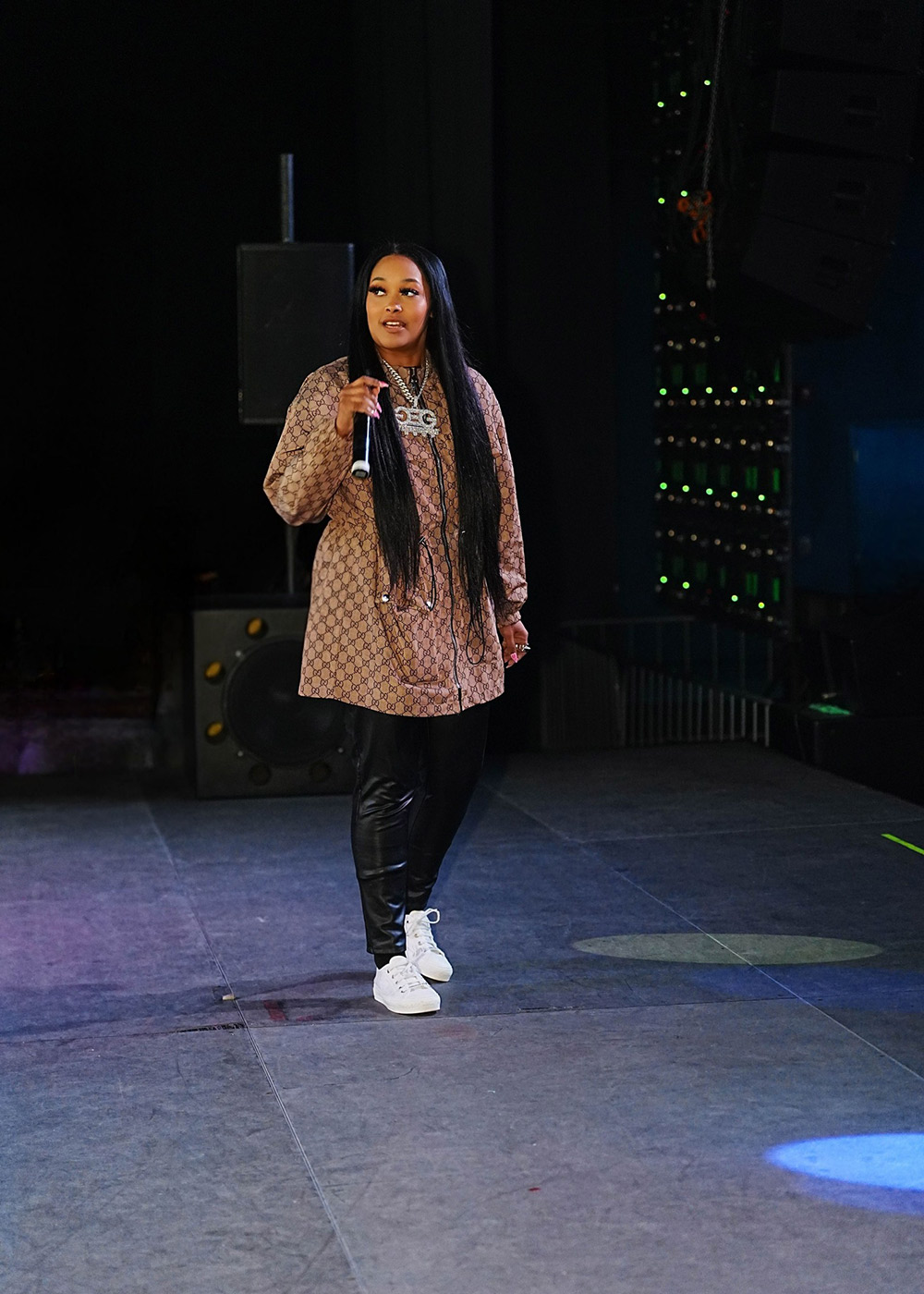
What was the first moment you realized people weren’t just reacting to your image or personality anymore — they were really listening to your bars?
When people started repeating my lyrics back to me instead of just posting my pictures or talking about my image. That’s when I realized they were really connecting with my story and what I was saying beyond the surface. Seeing the response whenever I post music lets me know people are paying attention for real.
Churchboy Scotty has a reputation for making records knock with purpose. What did he pull out of you creatively on “PSA” that maybe wasn’t there before?
He pulled a different level of emotion and focus out of me — not just making a hard record, but making people actually feel what I’m saying. He challenged me to slow down, dig deeper into my story, and deliver every line with intention. “PSA” showed a more mature side of me creatively.
Chicago rap has always balanced pain, swagger, humor, hustle, and chaos all at once. Where do you feel you fit inside that lineage?
I feel like I fit right in the middle of the hunger, resilience, and evolution of Chicago rap. The city has always been bigger than one sound — it’s pain, survival, confidence, storytelling, parties, real life, and turning struggle into motivation all at once. I come from that same energy, but I bring my own perspective as a woman who’s been grinding in this industry for years and never stopped believing in her moment.
What separates me is that I can tap into the rawness and hustle while still keeping it fun, confident, and relatable. I’m not trying to copy what Chicago already did — I’m adding to the legacy from my own lane.
Run It Back with Shawnna felt aggressive, cinematic, and unapologetic. Did making records like “Counterfeit” change your confidence as an artist?
Definitely. Records like “Counterfeit” elevated my confidence because when you’re making music that aggressive and unapologetic, you can’t second-guess yourself — you have to fully stand in who you are. Working with Shawnna pushed me creatively too because she comes from an era where female rappers were fearless and said exactly what they wanted.
“Counterfeit” helped me stop overthinking and trust my instincts more. After records like that, I started approaching music with a completely different level of confidence.
How surreal was it hearing your music attached to the NBA 2K universe, knowing gaming culture and hip-hop culture practically move together now?
Honestly, it was surreal. Growing up, NBA 2K wasn’t just a game — it was part of the culture. People discover music through it, artists break records through it, and gamers really connect with songs because they hear them every day while competing and creating memories with friends.
Knowing music tied to NBA 2K25 and NBA 2K26 is reaching people globally gave me a different level of motivation. It showed me the music can live beyond playlists and radio — it can become part of people’s everyday experiences.
You’ve managed to bridge esports, streaming culture, and rap without it feeling forced. Do you think the music industry still underestimates how powerful that crossover really is?
Absolutely. Gaming, esports, streaming, and music are all connected now, but a lot of people in the industry still underestimate how powerful that crossover is. Fans don’t just listen to your music anymore — they watch your personality, hear your music while they game, and connect with you in real time.
I never wanted it to feel forced because gaming is something I’m genuinely into. Fans can tell when somebody is really part of the culture versus just marketing to it.
A lot of artists chase viral moments. Your movement feels more rooted in identity and consistency. Was that intentional from day one?
Yeah, that was intentional from the start. Everybody wants moments that connect and go viral, but I never wanted my career to depend on trends or temporary attention. I wanted to build something lasting that people connect to beyond one song or one viral clip.

Consistency built my confidence. Even when things weren’t moving fast, I kept creating, evolving, and putting myself in different spaces — music, gaming, content, performances, collaborations. That’s why when opportunities started coming, everything felt organic instead of manufactured.
When people look back years from now, what do you want the LStreetz story to represent: Chicago resilience, women in rap leveling up, gamer culture evolving, or somebody who refused to be boxed into one lane?
I want my story to represent all of it together. Chicago resilience is a huge part of me because this city teaches you how to survive, adapt, and keep going no matter what. I also want it to represent women in rap evolving without having to shrink themselves or fit into one stereotype.
Most importantly, I want people to see somebody who stayed consistent, stayed authentic, and built her own lane without waiting for permission.