

Black C: A Lesson in Being Ruthless—and Surviving to Tell It (Interview).
By: Todd “DG” Davis
Rapindustry.com
___
Before Bay Area rap became a sound the rest of the world studied, Black C was making records in a bedroom in Hunters Point.
No million-dollar studio. No internet rollout. No algorithm waiting to make something viral. Just equipment, instinct, neighborhood stories and an emerging sound that was unmistakably San Francisco.
Born Christopher Matthews and raised in the Harbor Road projects, Black C co-founded RBL Posse—Ruthless By Law—with Mr. Cee in 1991, helping give the city its own identity during a defining period for West Coast hip-hop.
Then came “Don’t Give Me No Bammer.”
What started as Frisco game became an underground anthem, helping propel A Lesson to Be Learned and its follow-up, Ruthless By Law, far beyond Hunters Point. RBL’s combination of trunk-rattling Mobb Music, street reportage, humor and independent hustle became part of the blueprint for generations of Bay Area artists who followed.
But behind those records is a survival story heavier than any bassline.
Black C survived a 1989 shooting that cost him his right eye. Then came losses that no gold record could soften: Mr. Cee was killed in 1996; Hitman in 2003.
Suddenly, carrying RBL Posse wasn’t simply about preserving a catalog. It was about carrying names.
Through Right Way Productions, solo releases and decades of keeping the RBL flag flying, Black C refused to let tragedy write the final chapter. More than 30 years later, he’s still producing, still rhyming, still owning his music and still reminding anyone who reduces West Coast rap history to Southern California that San Francisco put in work, too.
Now alongside fellow Bay Area original Keak Da Sneak on 3X Ruthless, Black C isn’t chasing yesterday or surviving on nostalgia. He’s adding another chapter. Because for Black C, Ruthless meant one thing when he was young enough to be consumed by the streets.
Today, it means something deeper: He survived them.
__
Q. Before the world knew Black C as the producer behind RBL Posse, there was Christian Mathews learning how to survive and create. When did music become more than an escape and become your purpose?
Black C: Soon as I got released from Log Cabin Ranch Juvenile Detention Center, a friend of mine named Budwyser introduced me to music. I knew it was for me after I made my first song, and I saw how it made me feel. Also, seeing my friends so excited about the music I created, I knew it was for me. The feeling was contagious.
Q. You taught yourself production because you had the equipment but nobody around you knew how to use it. How did that necessity shape the producer you became?
Black C: I think the producers who I was listening to at the time (Dr. Dre, DJ Darryl, T.C., Cold 187) helped shape the producer I became. I just put my own twist on it.
Q. RBL Posse helped define what people now recognize as Bay Area Mobb Music. When you were creating that sound, did you realize you were building something that would influence generations?
Black C: No, I had no idea. I was just doing what I loved and what felt right at the time of creating.
Q. The independent blueprint RBL created was ahead of its time—selling records out of trunks, through local shops, and building directly with the community. What did that experience teach you about controlling your own destiny?
Black C: It was about ownership and control. We did, however, sign with In-A-Minute Records, and that was a “lesson to be learned” in itself. I like being in control of my music, from production to marketing and promotions. When I lost that, it taught me a valuable lesson: no amount of money is worth selling your creative control.
Q. “Don’t Give Me No Bammer Weed” became one of the Bay Area’s most recognizable anthems. Did you ever imagine a song rooted in a very specific local experience would connect with people around the country?
Black C: No, I had no idea it would reach the masses as it did, but I did know it was a big song. But I was only thinking locally. I just wanted San Francisco to play the song, and it went beyond that.
Q. RBL Posse represented the reality of Hunters Point and San Francisco without filtering the story. How important was it to document your environment honestly instead of creating an image for outside approval?
Black C: It was very important to me. San Francisco was known for being a tourist city and for the LGBT community at the time, so we wanted to make sure they knew there was a dark side to Frisco that needed to be known and respected.
Q. Losing Mr. Cee and Hitman changed the story of RBL forever. How have those losses shaped your responsibility to protect and continue the legacy you all built together?
Black C: It put pressure on me to not only maintain the legacy, but make sure I delivered when it came to putting out new music. I knew the fans would always compare my new music to the old classics, so I wanted to make sure I did that, and I believe I did a good job maintaining the RBL legacy from music to merch. It’s respected amongst fans and my peers.
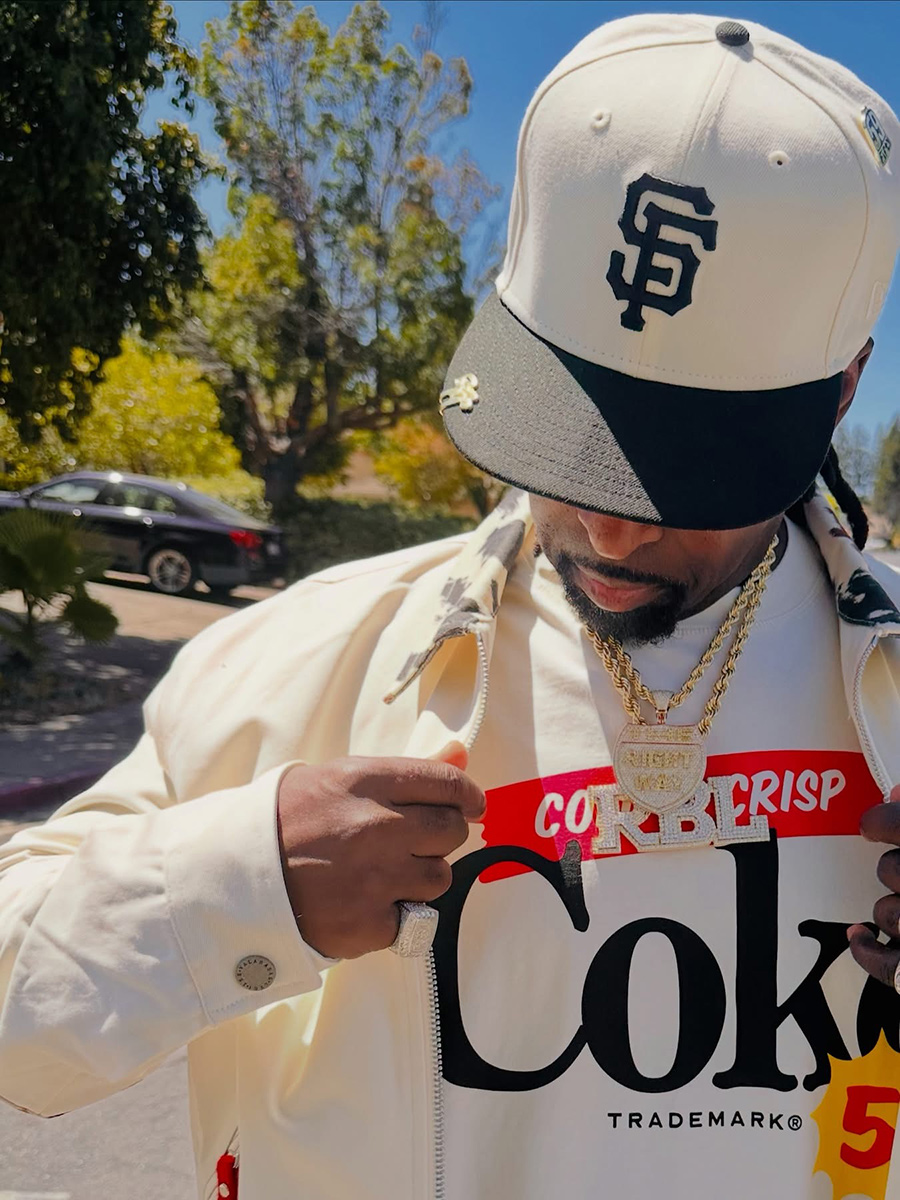
Q. You’ve worked with and influenced some of the biggest names connected to West Coast hip-hop. What do you think makes the Bay Area sound so distinct compared to anywhere else?
Black C: I believe it’s because of the sound we created, from the Mobb Music to the Hyphy sound. We put our stamp on whatever it is. Our lingo and swag are very noticeable anywhere you are.
Q. From your solo projects Heavy In It and Sumthin’ 2 Mobb 2 to continuing the RBL name, what keeps motivating you to create after all these years?
Black C: Mr. Cee and Hitman keep me going. Besides that, it’s the fan support. There’s nothing better than hearing how your music changed lives, or how they grew up to your music. It’s the greatest feeling in the world.
Q. Your new project 3X Ruthless with Keak Da Sneak brings together two legendary Bay Area forces. How did that collaboration come together, and what does it represent about the connection between different generations of Bay artists?
Black C: Keak called me with my cousin Hermanata on the phone one morning. My cousin Hermanata is also Keak’s DJ, so they had a conversation about it, then called me to make it happen. Of course, it was an easy yes for me. I’m a fan of Keak, and he also stated he was a fan of mine and can quote RBL tracks word for word. We were supposed to do a six-song EP, but it turned into us doing 24 songs, and we used 17 out of those.
Q. The music industry has completely changed since RBL first broke through. What lessons from the independent era do you think today’s artists need to understand?
Black C: Ownership! That’s basically it. Control your own destiny. That’s good game through any era of music.
Q. When the history of West Coast hip-hop is written, what do you hope people understand about Black C, RBL Posse, and the Mobb Music movement you helped create?
Black C: I hope that we’re mentioned and our contribution to this West Coast hip-hop game isn’t overlooked. Sometimes we’re not even mentioned, and they think the West Coast is only L.A. or Southern California. We put in work for not only the Bay Area, but the West Coast overall.
Q. When you say “Ruthless” today, is that still about the streets—or the weight of everything you survived to still be here?
Black C: It’s a little bit of both. When I was a teenager, it was about the streets. Now that I’m older, it’s about how I survived those streets and am blessed to still be here to tell it.
Q. Carrying RBL Posse alone after losing Mr. Cee and Hitman—how does that reality shape every move you make now?
Black C: It’s about me continuing the legacy “The Rightway.” I don’t only represent me, but I’m carrying the torch for my loved ones looking down.
Q. Does 3X Ruthless feel like continuing the legacy—or finally defining it on your own terms?
Black C: It’s both. I’m representing RBL, and I’m starting on my Black C foundation and legacy, which is a branch off the RBL tree.
Q. On “Maxxed Out,” there’s urgency in your delivery—what lit that fire at this stage in your journey?
Black C: It was the beat. The music always played a big part in my energy on a song. I only write to beats. I was never able to write without music like some artists can.
Q. Hunters Point has always been in your voice—how do you keep that raw truth intact in a completely different music era?
Black C: To be honest, I don’t know, but I believe I have evolved with my writing and delivery due to me paying attention to what’s going on in the game. I listen to all types of music. I eat, sleep, and drink hip-hop, and I think that’s what helps me evolve.
Q. After everything you’ve lived through, what does success mean to you now—longevity, ownership, or simply survival?

Black C: All of the above. You hit the nail on the head. All that while having fun doing it.
Q. When you step in the booth today, are you still rapping from pain—or has it turned into something more calculated and intentional?
Black C: It depends on the song. I still want you to feel the emotions I was feeling while making the song. Lately, I’ve been trying to get away from the pain-driven songs and make it more about being happy, living life, and getting money.
Q. Building through your own platform, what does independence really mean to you in 2026?
Black C: Like I said before, “Ownership.” I own my whole catalog, from RBL Posse to Black C. That’s what it’s about to me.
Q. What made you realize this moment called for 3X Ruthless—why now, not earlier?
Black C: I didn’t. I have to give that credit to Keak Da Sneak. He made the call to me to make it happen. I knew I wanted to do it once it was brought into the universe. So Keak gets the credit for knowing it was needed now. I just choreographed the project. That’s what I do best.
Q. How do you protect the authenticity of your sound while still evolving with the times?
Black C: That’s a good question. I think it’s all about evolution, knowing how to get on tracks and do you. Don’t follow what the next person is doing or try to chase a sound. But I think the advantage I have over other artists is I come from a producer background. That’s what I was and am first.
Q. When people hear this project, what do you want them to finally understand about Black C that they’ve overlooked all these years?
Black C: That I am one of them guys lyrically. A lot of people sleep on me and my catalog. They’re late to the Black C party, but they shall soon see, I’m a force to be reckoned with.
RIP Mr. Cee & Hitman! Much Love!


