By: Todd “DG” Davis
Rapindustry.com
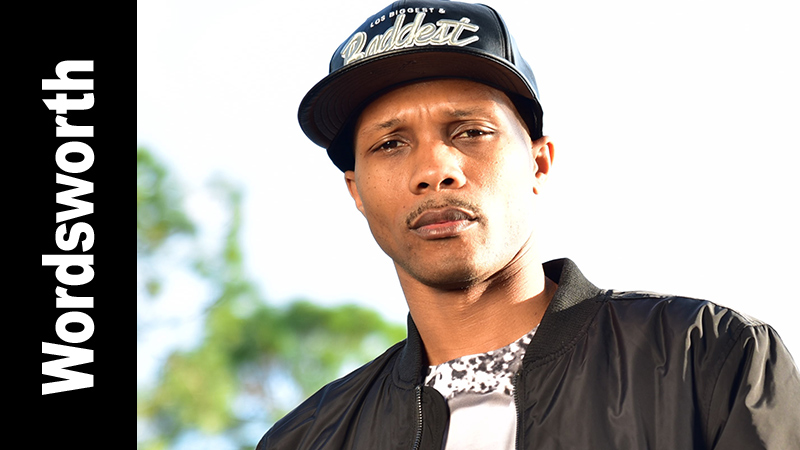
In a culture that spins fast and forgets faster, Wordsworth is the type of MC hip-hop can’t outgrow. From tearing up the Lyricist Lounge stages with bars that cut deep to crafting legendary chemistry in eMC with Masta Ace, Stricklin and Punchline, he’s a living testament to what real rap sounds like.
Solo albums, conceptual projects, TV skits, classroom lessons—he’s done it all without ever chasing eras or trends. His pen still sparks, his voice still commands, and his perspective still hits like vinyl crackle over a boom-bap beat.
This Q&A? It ain’t just nostalgia. It’s a masterclass, a blueprint, and a reminder that true Hip-Hop—crafted, precise, and unapologetically authentic—never fades.
Two Kings set the stage—how did that first collaboration with Stu Bangas shape your approach to this latest LP, Chemistry?
Wordsworth: After Two Kings, Stu Bangas made me realize to just make dope songs and put them out. No overthinking—pick beats you think people would like and write. Staying consistent is one of Stu Bangas’ greatest attributes, and that’s today’s model in music more than ever.
Stu Bangas is known for dark, cinematic beats—how do those soundscapes push you as a lyricist?
Wordsworth: Stu Bangas is super diverse with the beats, so I look for a balance between dark and bright, but they’re all cinematic. I honestly could write to any beat he sends, but I have a vision for each project sonically—and so does he. My main objective is not to get beat by the beat.
Between Two Kings and Chemistry, what evolution do you hear in your verses and storytelling?
Wordsworth: The beats cause me to think of everything, and the difference is maybe how I chose the beats for Chemistry. I actually went to the first beat Stu posted on YouTube and chose from there all the way to his latest beats. I was super surprised some of those beats were still available.
The evolution in the writing is really in the beat selection. I believe I’ve been pretty consistent, and I think the first album made people wonder if we could do it again.
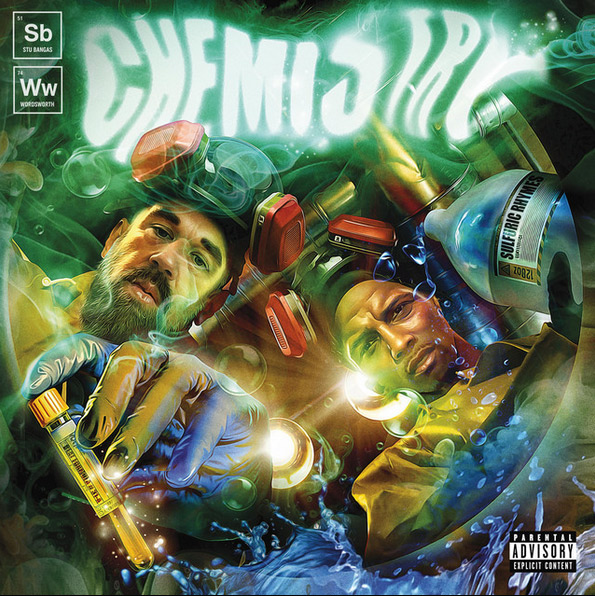
The LPs feature heavy hitters like Masta Ace, Elzhi, and Ali Vegas—what’s the magic behind choosing collaborators who elevate the project without overshadowing the core sound?
Wordsworth: It’s more about picking people who supporters ask me to do songs with. With Masta Ace, it’s more of a big brother thing—he appears on all my albums and vice versa for the most part.
The Elzhi collab had been asked about for years by the audience, and I also wanted to do a song with him—but it had to be the right song. “Which One Are You” lived up to the expectations.
And me and Punch knew Ali Vegas since he was 15, so that was a full-circle moment. I’ve learned to hear what track sounds like another artist would sound good on, so I’m not forcing the issue. “It Took a Village” with Pearl Gates is one of the most played songs, and me and him actually have an entire album together—so now people can go hear that too.
Tracks like “Don’t Get In The Way” hit hard—how do you match Bangas’ production intensity with lyrical precision?
Wordsworth: It’s all about flow first, then concept. That track, I feel, should be on the radio as well—it works in both worlds, and being independent, it still has a chance. Hopefully DJs tell their friends who have radio access to play it too.
Once I get the flow, then I have to make sure the story makes sense—but tell it in a new way. The second verse on there, I believe, is one of the best verses I’ve written from a literary standpoint. I make sure every verse is just as good with or without a beat. That’s why I put out the ‘What Words Are Worth’ book series.
Boom-bap is timeless but niche—how do these albums speak to both old-school heads and new-school listeners?
Wordsworth: I believe the beat selection helps. Stu makes universal music, and I try to use beats that show all of his skills in crafting them. It’s about making music the old school can listen to, but the new school can also connect with—subject matter-wise—while still crafting it cleverly enough for the average listener to enjoy too.
Stu Bangas crafts the beats like architecture—how do you build your lyrics to fit that structure while keeping them dynamic?
Wordsworth: I think I kind of answered this earlier, but it really comes down to making sure the flow locks in first. Once that happens, I build the concept around the feeling of the beat. I always want the words to move with the production—not fight against it.
Physical releases, vinyl, CDs—why does tangible music still matter in this digital era, especially for these LPs?
Wordsworth: Because the vinyl packaging has become more of an art piece. With Two Kings, the CD was a poker chip. On Chemistry, the CD is a pill/barrel bottle cap. The vinyl comes in different colors—it’s an experience, from opening the project to playing it.
Working with Stu Bangas repeatedly, what keeps the creative spark alive without it feeling repetitive?
Wordsworth: He consistently sends new beats, which allows me to think of new ideas and stay excited about sharing the music. He also invites me to rap on other projects he has, which keeps me inspired too.

How do these LPs honor the underground boom-bap culture while pushing the sound into 2026 and beyond?
Wordsworth: They honor it by keeping the essence of the music intact. Make great songs, and people will spread the word. Dope beats and dope lyrics have always been at the forefront of all genres. Then what we make songs about helps keep the music relevant.
If someone could only hear one track from Chemistry to understand the essence of Wordsworth x Stu Bangas, which one would it be and why?
Wordsworth: The song “Chemistry” It’s sophisticated and soulful. It has everything—the beat is a masterpiece, the song is metaphorical but also direct, and it captures bravado while also telling stories about social issues. Even the hook addresses that.
Looking ahead, what’s next for this partnership—more LPs, features, or completely new sonic territory?
Wordsworth: Next up is Stu Bangas, A-F-R-O, and Wordsworth—then another collaborative album people have been waiting for, and then another solo. The order may change, but me, A-F-R-O, and Stu is most likely next.
Thank you for the interview. Check out my podcast, What Words Are Worth, on YouTube at Wordsworth-TV. I talk with a lot of interesting people about the creative process. Also, follow me on Instagram: @Wordsworthbklyn.


