

THROWBACK SERIES: Michie Mee – Godmother Energy (interview)
By: Todd “DG” Davis
Rapindustry.com
Before there was a Canadian hip-hop scene anyone could point to, Michie Mee was already running it. Toronto streets, Kingston roots, and a mic in her hand—she turned the blend of reggae, dancehall, and hip-hop into a sound that was unmistakably hers.
Signing with a major U.S. label in the ’80s wasn’t just a milestone, it was a declaration: Canadian rap could compete, innovate, and lead. Talking to her, you feel that energy—legendary but still alive in the room, a queendom built on rhythm, rebellion, and a refusal to follow anyone else’s rules.
Michie Mee, you’re widely recognized as Canada’s first notable female MC and a pioneer in the hip-hop scene. How did your journey begin, and what inspired you to pursue a career in music at such a young age?
My journey has several beginnings, but one notable starting point was the MC battle between New York and Toronto. Canadians began recognizing me as an MC, and I wanted to get into the music business because my father was a well-known promoter in Jamaica. I had always loved the stage and the music environment—my family was very involved in it.
As a young teenager traveling to New York often, I gravitated toward what was happening in the communities—hip-hop. It was the newest type of music hitting the streets for all youths, and I wanted to be part of it. I introduced myself to other hip-hop enthusiasts in front of the Latin Quarters in Manhattan with friends from Canada. We traveled to shop for the coolest gear and bring it back to Canada, and in doing so, I also began connecting with the hip-hop scene.
You started performing professionally at just 14. What were some of the biggest challenges you faced as a young artist breaking into the industry?
The first thing I had to do was convince people I wasn’t 14. I acted older, spoke older, and hung out with older teenagers. I had to prove I was cool enough and mature enough to understand what was happening around me to earn my turn on the microphone.
Then came the challenge of finding events to perform at. There was no one booking shows for you—you had to know someone who knew someone throwing a party. I also needed a crew, a posse who could vouch for me as an artist. On stage, I had to freestyle, create on the spot, and sometimes use my Jamaican accent to my advantage. Some Americans called me a “coconut MC,” which was a bad joke, but it motivated me to prove that my accent could work in hip-hop.
Your early work with DJ L.A. Luv and the release of Jamaican Funk—Canadian Style was groundbreaking. How did blending dancehall reggae with hip-hop influence your sound and set you apart?
Working with DJ L.A. Luv was amazing because he was also Jamaican. We would mix our styles, entertaining the audience with our roots while rapping over any beat. My dancehall background meant I had one shot over a rhythm, and it had to be perfect, or someone else would take the mic.
Having a female voice on the mic also set me apart. Audiences would listen closely, and I would switch things up with reggae-dancehall flair. The crowd loved it, saluting with gun fingers in the air—it was the ultimate sign I was doing something right.
The song “Jamaican Funk” sold over 60,000 copies in the U.S. and earned a Juno nomination. What does that achievement mean to you, and how did it impact your career?
Selling 60,000 records at that time—especially for a hip-hop and dancehall fusion album—was huge. It was the only Warner Brothers Music album that was half reggae and half hip-hop. This set a precedent for who I was as an artist.
This was before the Junos had a hip-hop category. Being nominated alongside artists from other genres showed that I had a place in Canadian music as a female hip-hop artist. That recognition gave me confidence and solidified my role in the industry.
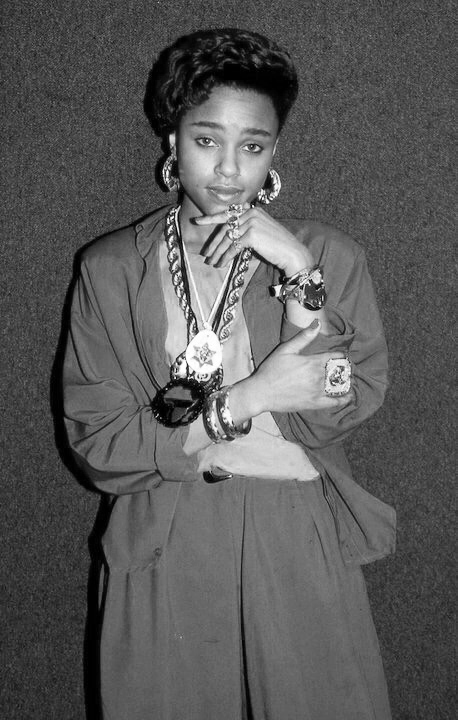
You’ve collaborated with a wide range of artists, from Salt-N-Pepa to Chuck D. Are there any collaborations that stand out as particularly memorable or influential?
Opening for Salt-N-Pepa in 1988 was a highlight because I was on stage with my favorite female group during their early career. Years later, I opened for them again in Canada and even participated in their biopic.
Chuck D introduced my album Bahdgyal’s Revenge, which paid tribute to Roxanne Shante, my favorite solo artist. Touring across Canada with him and S1W’s was unforgettable. Moments like these remind me that my contributions to hip-hop are recognized by the artists I admire most.
In addition to music, you’ve explored acting and even starred in TV series like Drop the Beat. How has acting complemented your musical career?
Drop the Beat was my first lead acting role, and it was amazing. The series told stories of Canadian hip-hop and grassroots activity, bringing our culture to TV. Acting helped me grow professionally, allowing me to be more than just a rapper.
I trained with top acting instructors and joined rosters for Canadian film and TV, making sure I was taken seriously. I even appeared in projects like Soul Food, American Me, and In Too Deep. Acting allowed me to expand my artistry and influence beyond music.
After years in the industry, you made a comeback with your album Bahdgyal’s Revenge in 2020. What inspired this return, and what themes did you want to explore with this project?
Bahdgyal’s Revenge was a tribute to Roxanne Shante and a way to show that old-school female artists can still release new music. I wanted to inspire the next generation and show that hip-hop can evolve as artists mature. The album proved that old-school artists can stay relevant and creative in today’s scene.
Your work often reflects your roots and your journey as an artist. How do your experiences growing up in Kingston and Toronto influence your artistry today?
My environment always reflects in my music. I grew up mostly in Toronto but traveled often to Kingston, where the dancehall scene is vibrant. My music is a way to document stories and emotions, blending my experiences from both cities. I follow the music first and let the business naturally follow.
You were featured in the Inventive and Empowered exhibition at the Art Gallery of Ontario and on a Canada Post stamp for Black History Month. How does it feel to be recognized as a cultural pioneer?
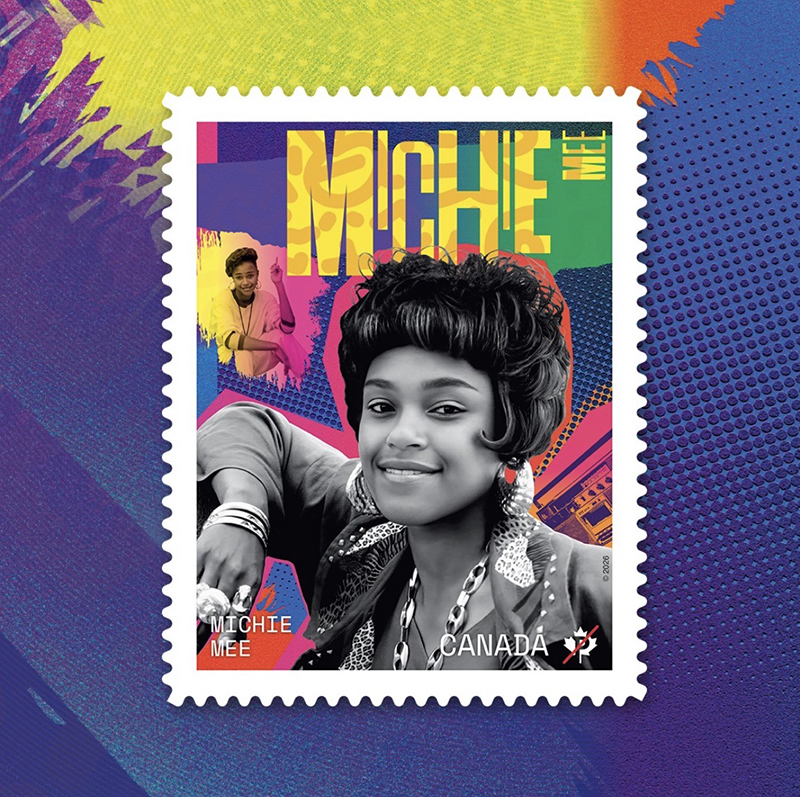
It was an amazing feeling. Seeing myself in the exhibit put into perspective that our work mattered. Being recognized as a cultural pioneer reminds me that my contributions to hip-hop helped shape Canada’s music scene. It validates all the love, effort, and struggles along the way.
Looking back on your career, what are some of the most memorable moments that have shaped your path?
There are so many moments: hip-hop battles, tours, showcases, festivals, meeting amazing people. All of these shaped my path, and the journey is still ongoing. Some of the best moments are yet to come!
As a trailblazer for women in hip-hop, what advice would you give to young women aspiring to enter the genre?
Be smart, save your money—it will save you. Make good decisions, pick a great team, and don’t be afraid to grow or change your environment. Family is your foundation; they support you like no fan ever could. Learn, listen, and always lead where you can.

What upcoming projects or collaborations can fans look forward to?
I’m working on new music from exciting collaborations and slowly developing creative television projects. These things take time, but I’m proactive and patient, ensuring quality and meaningful impact.
How do you see the future of Canadian hip-hop, and what role do you hope to play in shaping it?
Canadian hip-hop is growing bigger on the world stage. Multiple artists and genres will be heard and respected globally. I see myself mentoring and promoting upcoming artists, helping guide them and showcase their talent.
Lastly, what legacy do you hope to leave for future generations of artists?
I want future generations to know we fought for hip-hop to be recognized worldwide and that Canada played a part in that history. Being on a Canada Post stamp for hip-hop shows how far we’ve come. My legacy is to inspire belief, perseverance, and creativity.
Merci beaucoup Canada!!! — Michie Mee


