

Smoothe da Hustler: Same Code, Different Era (Interview)
By: Todd “DG” Davis
Rapindustry.com
___
Before rap got comfortable, it was a contact sport—and if your pen slipped, you paid for it in real time. That’s the era Smoothe da Hustler stepped out of. Brownsville made sure of that. No gimmicks, no shortcuts—just pressure, precision, and bars that had to stand on their own two feet.
When “Broken Language” hit, it wasn’t trying to be different—it just was. No hook, no chorus, just two brothers blacking out over a beat like they had something to prove—and nothing to lose.
While everybody else was chasing structure, Smoothe was bending it—turning rhyme patterns into puzzles, making complexity sound casual. Once Upon a Time in America didn’t feel like a debut, it felt like somebody already ten steps deep, mapping out scenes instead of songs, talking slick but saying something every time.
And now, three decades later, that same album just hit its 30-year mark—not as a throwback, but as a reminder. Because the truth is, that era didn’t age out—it aged up. And Smoothe? Still sharp, still intentional, still moving like every bar matters. Because where he’s from, it always did.
When people bring up “Broken Language,” they talk about it like a moment in time. Did you know while recording it that it was different?
Yeah, we knew while writing it that it was definitely something different… but undeniably hard.
That rapid-fire, chopped cadence you and Trigger Tha Gambler perfected felt almost mathematical. Was that style written on paper or built in the booth?
Both. It depended on how that specific song was created, but usually in the studio is where we start getting technical.
Coming out of Brownsville in the mid-’90s, what kind of mentality did a young MC need just to survive the scene and still keep creativity intact?
Just navigating the neighborhood. Growing up there made us all tough—resilient. My schools were outside of Brownsville, so I definitely carried a “don’t mess with me” type of attitude anywhere else. Creatively, I just drew from what I saw, lived, and experienced.
Your debut album Once Upon a Time in America felt like a movie more than a record. Were you picturing scenes when you wrote those rhymes?
Not at the beginning. Later in the album, I started making those connections. It was organic at first, but everything came from an honest place—so by the end, it was easy to bring it all together.
Working with producers like DR Period gave your music that raw Brooklyn grit. What made that chemistry work so well?
DR. Period is from Brooklyn, so he embodied that feel. We’re from the same neighborhood, so he understood what I needed while also complementing what I was already trying to do. DR is dope.
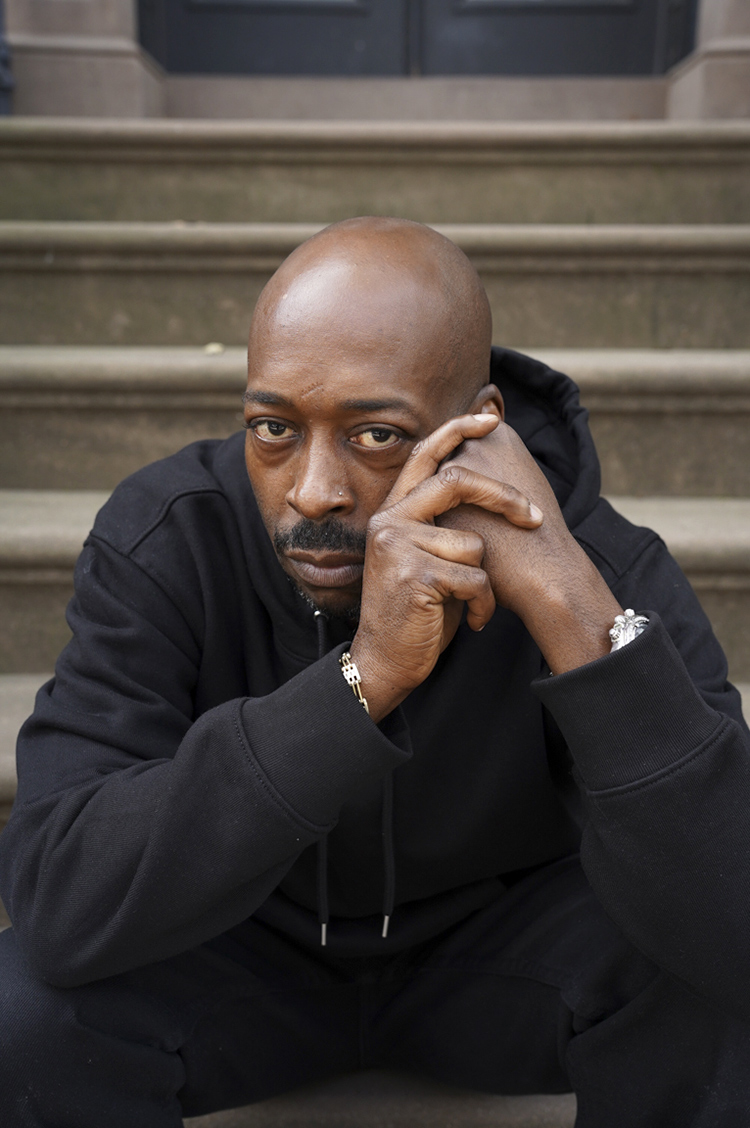
A lot of lyricists credit you for pushing the boundaries of technical rap. Did you feel competition back then from other bar-heavy MCs trying to out-rhyme each other?
There was definitely a level of competitiveness that made you want to be better. I appreciate that nod—I do it for the MCs. Most of all, I didn’t want restraints.
During the late ’90s, you were moving in the orbit of Def Squad and appearing on major soundtracks like The Nutty Professor. Did that industry exposure change how you approached the craft?
In some respects, yeah—because of the “unwritten formula” labels were looking for at the time. But never to the point where I sacrificed who I am or what I represent. I understood what helped my career, which was staying authentic and sharp at what I do.
Your brother Trigger wasn’t just a collaborator—he was family on the mic. How did that chemistry affect the way you two traded bars?
It was effortless. Like playing 2-on-2 basketball with the same teammate your whole life—you already know the plays. Same thing.
Fans always talk about the discipline behind your rhyme structures. What did a typical writing session look like during your prime years?
The track blasting, some food, a lemonade, and a blunt—and I’m set.
These days you’ve embraced the Rhyme Inspector persona, breaking down lyricism for a new generation. What do younger MCs misunderstand most about real bar work?
Real bar work is technical—witty, clever, authentic—and it should make sense on multiple levels. If you’re not tapping into that, then you’re just a rapper.
Your recent single “STILL” shows that the technical flow never left. What keeps the hunger alive decades after the first classic dropped?
Life… and the love for the culture.
Looking back now, what part of your legacy matters more—the classic records or the influence your style had on the next generation?
Both. The songs speak for the times—“Hustlin'” was my indie breakout, and it even got redone later. Others pulled from the album too. As for the influence, I’m grateful for that. There’s a lot of new artists really putting in bar work and not trying to sound like what’s already out there. So yeah—both mattered, and still matter.